The Mind-Body Connection: Physical and Mental Wellbeing Intertwined
9/15/26
Written By: Jordan Westfall, LPC
Imagine: You feel anxious in a new place with new people, and your stomach starts to hurt. Your body feels tense. Your head is spinning. Now imagine you are at home and your stomach starts to hurt, your body feels tense, and your head is spinning which results in an anxious spiral. These two sound pretty interchangeable, huh? That’s because they can be! The mind-body connection is so powerful and important to understand in improving your physical and mental wellbeing.
The Mind-Body Connection
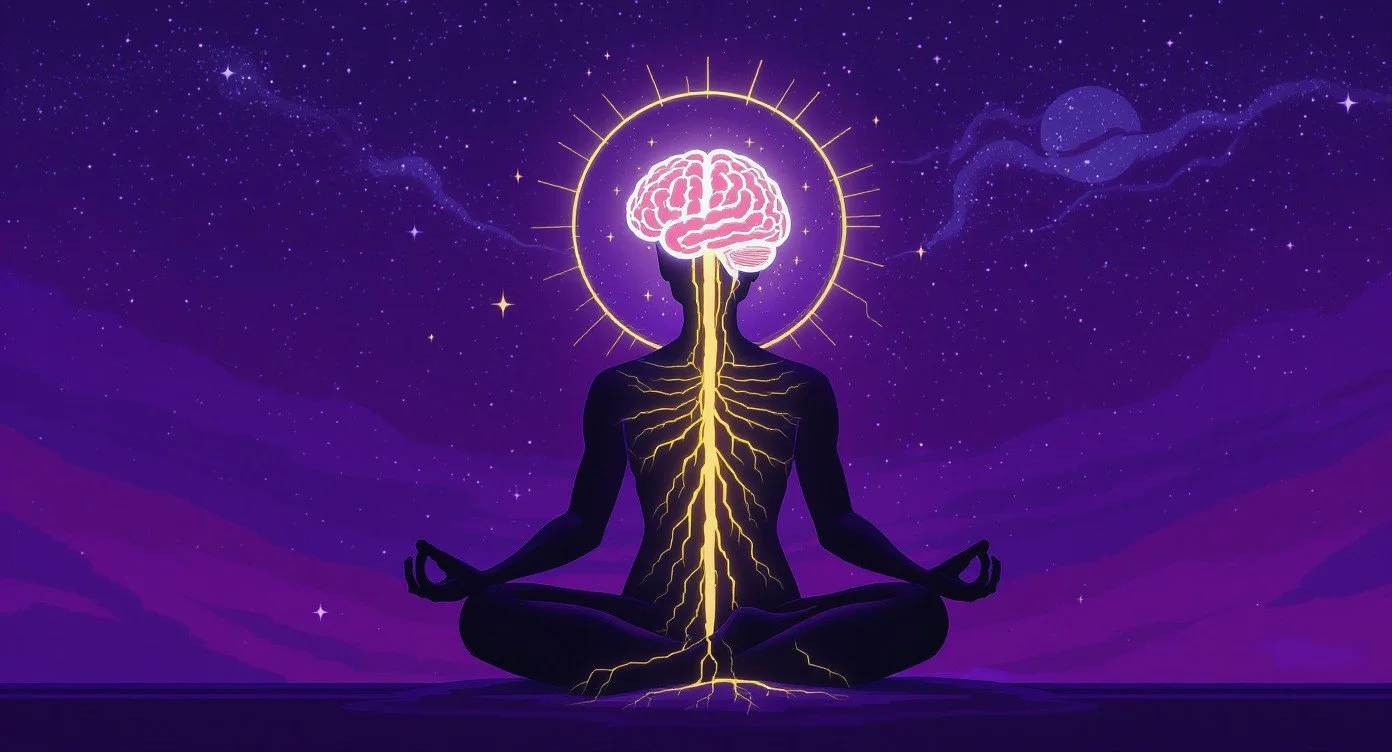
A scientifically validated two way relationship between the thoughts and emotions in your brain and your physical body and wellbeing is known as the mind-body connection. The brain and the body both send signals to each other throughout your entire life. If you are in a certain mental state, it can cause physiological changes, such elevated cortisol. If you are experiencing physical distress, your brain is also getting those warning signals and you may develop anxious or depressive symptoms. A common term used when experiencing both physical and mental distress is known as the “flight-or-fight” response. This response can activate real changes physiologically - including a weakened immune system or disrupted sleep patterns. If you continue to experience these symptoms and they become chronic, they could be linked to experiencing more significant physical health conditions such as high blood pressure and immune dysfunction. Another way to think about the concept of the mind-body connection would be the “gut-brain connection”, like when you feel stressed or anxious and then you feel as though you have butterflies in your stomach.
Creating and Maintaining a Strong Mind-Body Connection
There are a lot of benefits to creating and maintaining a strong mind-body connection. You may be asking, “how do you create and maintain that?”. Building this connection involves engaging in practices such as regulating your nervous system, tuning into your physical sensations, and managing physical discomfort.
Reducing Stress: Engaging in techniques such as body scans or deep breathing helps to be more in tune with your body and how to regulate it. When experiencing the physical sensations of stress (i.e. a fast heartbeat or body tensing up), try noticing what parts of your body feel different and take multiple deep breaths to help calm your body down.
Counting Sheep: Creating and maintaining a nighttime routine can help your body consistently regulate itself before bed. Your body will start to recognize when it is bedtime, and that will help you fall soundly asleep. Gradual muscle relaxation is a type of technique that can help relax your body and then your brain to count allll of those sheep.
Getting your steps: Any physical activity releases endorphins, which are “feel-good” chemicals that help reduce your anxious and depressive symptoms. Getting your energy out through exercise also supports improved sleep.
Benefits of a Strong Mind-Body Connection
There are so many benefits to having a strong bond between your mind and body. Your stress hormones are lowered, your sleep is improved, and it can help increase your emotional regulation. It may even enhance your self-awareness, which can help you understand physical symptoms when in certain environments and how you can respond in those situations. Overall, creating and strengthening your mind-body connection can increase your sense of self and how you respond and react to any situation. Working on understanding how your mind and body work together is important for continued growth!
