Why Caregiver Involvement Matters in Counseling: A Garden Metaphor
5/27/26
Written By: Piper Linssen, LPC-IT
Understanding the Counseling Process
When families begin counseling for their child, there is often a hope that therapy will quickly lead to noticeable change, sometimes sooner than realistically possible.
While that hour a week is incredibly important, it is only one piece of the bigger picture. Let’s get this straight. More often than not, counseling is not a quick fix. It is a process with many moving parts, including the child, the therapist, the caregiver, and the environment the child is in day in and day out.
The Child: The Foundation for Growth
Every child comes into counseling with a different foundation. Some children have rich, well-nourished soil. They have experienced consistency, support, and emotional safety, all of which can make it easier for new skills to take root.
Other children come in with soil that has been impacted by stress, trauma, or change. The soil may need more tending before new seeds can take root. This does not mean growth is not possible. It simply means the soil may need more consistency and patience.
The condition of the soil should not determine whether or not something can grow. Rather, it influences how we approach growth and tending to the garden.
The Therapist: Planting Seeds of Change
In counseling, the therapist’s role is to plant seeds. These seeds may include coping skills, emotional awareness, communication strategies, learning to notice and challenge unhelpful thoughts, and introducing new ways of thinking. Some of these seeds will take root and grow, while others may not. This is a normal and expected part of the process. Not every strategy works for every child. Counseling often involves trying different approaches and identifying what is most effective. But planting the seed is only the beginning.
The Caregiver: Supporting Growth at Home
Therapists typically see a child for about one hour a week. That leaves 167 hours where the child is outside of the therapy room. This is where caregivers play a critical role.
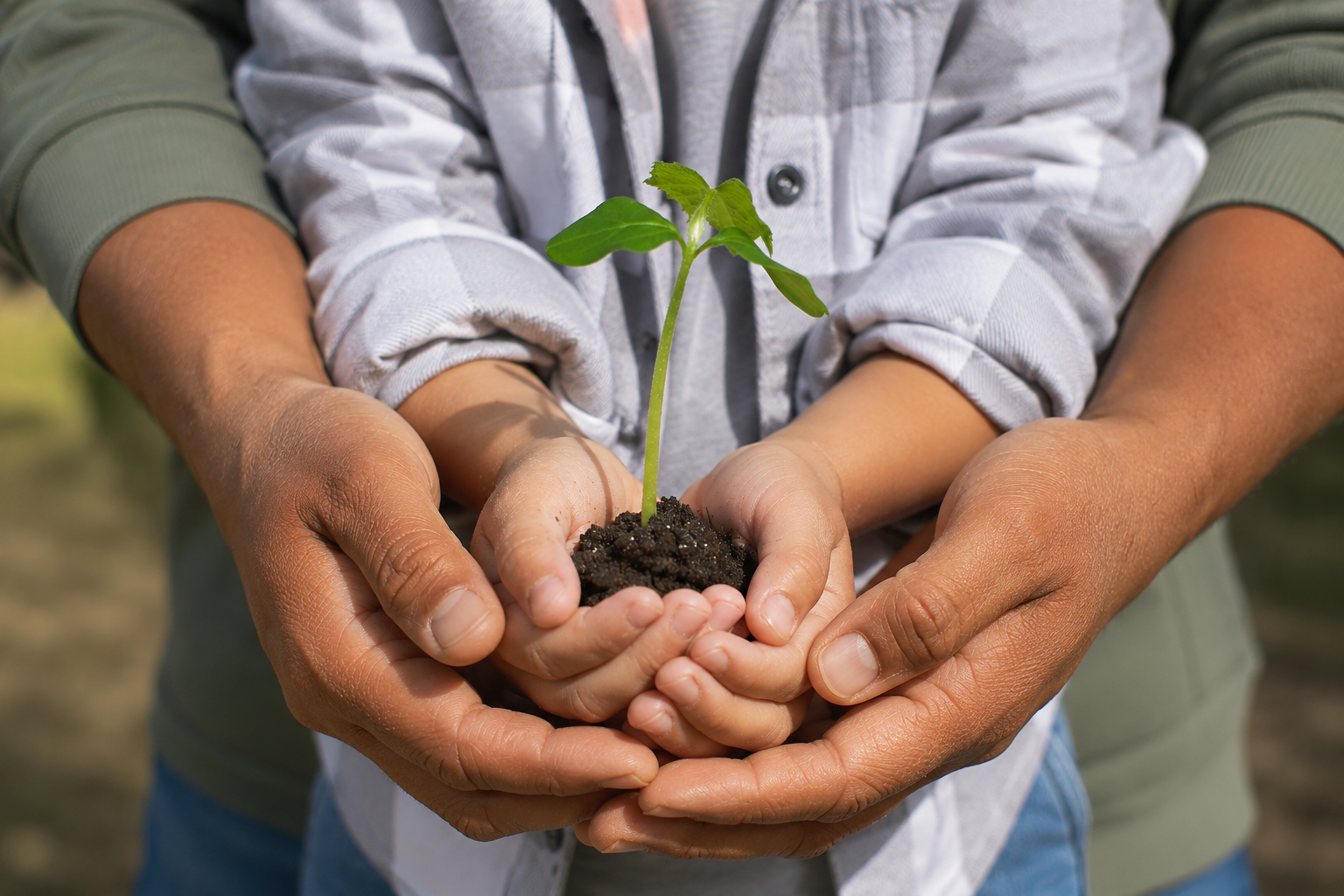
Caregivers are the ones who water and tend to the plant. This may look like practicing coping skills at home, reinforcing what was discussed in session, modeling those skills in real time, setting consistent boundaries, and responding with patience and support during challenging moments. Without this ongoing, consistent care, even the best seeds may struggle to grow.
When the Garden is Out of Balance
Just like a real garden, care is not always perfect. Caregivers and children are in an ongoing process of learning from each other. It takes time to understand what a child needs to feel safe, regulated, and supported. It also takes time to understand what overwhelms them, what helps them calm, and what kind of support is needed in different moments. Caregivers are learning the ins and outs of the plant while simultaneously being expected to care for it.
Sometimes a plant may be overwatered. This can look like too many reminders of session content or giving the impression that children need to change or fix themselves all at once. Other times, a plant may be underwatered. Life gets busy, follow-through becomes difficult, or there may be an assumption that the plant needs less ongoing care than it actually does. Gaining this understanding builds over time through consistency, attention, presence, and connection.
Neither overwatering nor underwatering means failure. They are part of learning what this particular plant needs. Growth is not a perfect process.
Caregivers as Part of the Process
Caregivers play an essential role in the counseling process, and their involvement is important. It is natural to be curious about what your child is doing in the counseling room. Regularly checking in with your child’s counselor can help support progress and reinforce skills outside of sessions. There is no need to worry about overstepping. Counselors are trained to protect your child’s confidentiality while still providing appropriate updates, recommendations, and guidance for supportive growth at home.
I encourage you to ask for brief explanations of the skills your child is learning in session. Understanding these tools can help you reinforce them at home and throughout daily life. Your willingness to stay involved, remain open to feedback and change, and ask questions plays a meaningful role in supporting your child’s growth throughout treatment.
School-Based Mental Health: Access and Connection
School-based mental health services are becoming increasingly common. Many children are now able to meet with a therapist virtually during the school day. This model helps reduce barriers to treatment such as transportation difficulties, scheduling conflicts, and limited access to providers. It allows children to receive support within an environment that is already part of their daily routine. Increased access to services is an important step forward in improving mental health care for children and families.
At the same time, this model can unintentionally create the impression that counseling primarily happens at school and is separate from the home environment. Because sessions happen during the school day, caregivers may assume they do not need to be as involved since they are not directly bringing their child to appointments. However, counseling is most effective when the work done in session is supported and reinforced outside of it. Caregivers are not expected to attend every session, but staying informed, asking questions, and practicing skills at home remain an important part of the therapeutic process. The convenience of school-based services does not replace the need for collaboration between caregivers and counselors.
Just like the garden metaphor, a therapist may plant the seeds during the school day, but growth depends on how those seeds are cared for throughout the rest of the day, not only during session time.
Growth Happens Outside the Therapy Room
Counseling is designed to support children and their caregivers. It is not meant to replace parenting or create an overreliance on interventions and techniques. Instead, it offers caregivers an opportunity to connect with their child in new and meaningful ways, sometimes in ways that may not have felt possible before. Lasting growth rarely comes from one hour of therapy each week alone. It develops through what is practiced, reinforced, and supported throughout everyday life.
When caregivers and counselors work together, the garden has the greatest opportunity to grow and thrive.
